
Occlusal Adjustment in Coventry, CT
Occlusal Adjustment at Jenkins Dental involves reshaping the biting surfaces of the teeth to create a more balanced bite. This procedure can relieve discomfort caused by misaligned teeth and an uneven bite.
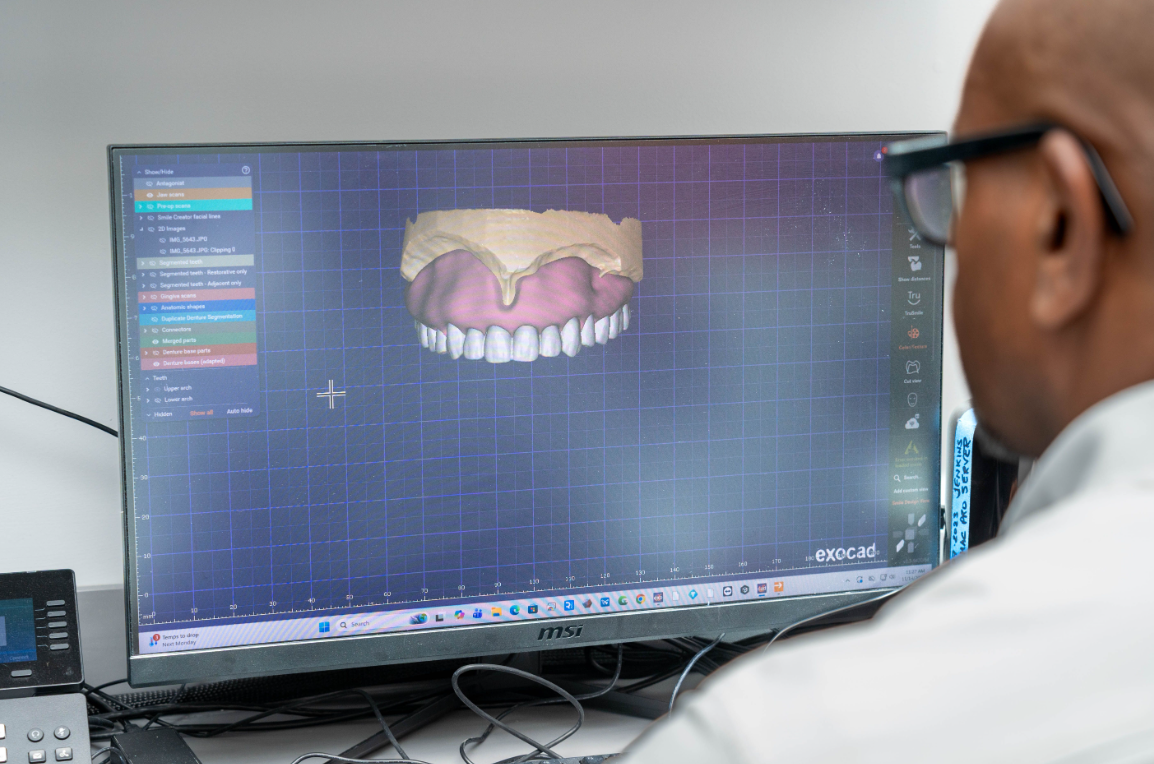
At Jenkins Dental in Coventry, CT, occlusal adjustment is used to carefully refine the way the upper and lower teeth come together. Also called a bite adjustment or occlusal bite adjustment, this treatment may be recommended when certain teeth or restorations contact too heavily, creating uneven pressure during biting or chewing.
Dr. Damon T. Jenkins, DMD, MPH, evaluates each patient’s bite before recommending treatment. Because bite concerns can have several possible causes, the goal is to determine whether a conservative adjustment is appropriate or whether another form of care would better address the issue.
Jenkins Dental welcomes patients from Coventry and surrounding communities, including Hebron, Andover, Cromwell, Hartford, and other nearby areas of Connecticut.
To schedule an evaluation, call (860) 560-1196 or request an appointment.
What Is an Occlusal Adjustment?
An occlusal adjustment is a conservative dental procedure that changes selected contact points where the teeth meet. Small amounts of enamel or restorative material may be carefully refined so the bite contacts more evenly.
This treatment is sometimes referred to as occlusal equilibration. Potential occlusal equilibration benefits can include more balanced tooth contact, improved chewing comfort, and reduced excessive pressure on certain teeth or restorations when uneven bite forces are contributing to the problem.
Because enamel removal is permanent, an adjustment should only be performed after a careful examination. Not every uneven bite requires reshaping, and some patients may benefit from orthodontic, restorative, periodontal, or jaw-related treatment instead.
When Might a Bite Adjustment Be Recommended?
A bite adjustment may be considered when a dentist identifies specific high or premature contact points that affect how the teeth come together.
Common reasons for evaluation can include:
- A new filling, crown, or bridge that feels higher than the surrounding teeth
- Localized pressure when biting or chewing
- Uneven contact between certain upper and lower teeth
- Areas of tooth wear associated with concentrated bite forces
- Changes in the bite following restorative treatment
- Bite concerns that are being evaluated as part of a broader restorative or periodontal care plan
The appropriate treatment depends on the cause of the bite problem, which is why a clinical examination is important before any adjustment is made.
Bite Adjustment After Dental Restorations
A bite adjustment after dental restorations may be appropriate when a filling, crown, bridge, or other restoration contacts the opposing teeth earlier or more heavily than intended.
Even a small difference in height can sometimes make a restoration feel noticeable when a patient bites down. During an evaluation, Dr. Jenkins can assess the restoration, surrounding teeth, and overall bite pattern to determine whether selective refinement is appropriate.
Patients receiving crowns and bridges may also have their bite checked as part of the restorative process to help support comfortable function.
What Are the Potential Bite Adjustment Benefits?
The specific bite adjustment benefits vary depending on the underlying condition and the teeth involved. When clinically appropriate, treatment may help:
- Distribute biting forces more evenly
- Reduce excessive contact on an individual tooth or restoration
- Improve comfort when the teeth come together
- Support the function of certain dental restorations
- Reduce localized pressure during chewing
- Address selected areas of premature tooth contact
These outcomes are not guaranteed, and an occlusal adjustment may not resolve symptoms caused by jaw-joint disorders, muscle tension, tooth grinding, periodontal disease, or other conditions.
Bite Adjustment and Periodontal Care
Patients sometimes search for information about bite adjustment benefits periodontal care because bite forces and periodontal health can both affect how teeth function.
In selected cases, a dentist may evaluate whether excessive force is placing additional stress on teeth that already have reduced periodontal support. However, an occlusal adjustment does not treat gum disease itself and does not replace professional periodontal care.
Patients with active gum or supporting-bone concerns may need periodontal therapy as part of a broader treatment plan.
How Is Occlusal Adjustment Performed at Jenkins Dental?
The process begins with an evaluation of the teeth, existing restorations, and bite pattern.
A typical appointment may include:
- Examining how the upper and lower teeth contact
- Identifying areas of heavy or premature contact
- Evaluating restorations, tooth wear, and surrounding structures
- Conservatively refining selected surfaces when appropriate
- Rechecking the bite after each adjustment
- Providing follow-up recommendations based on the patient’s needs
Dr. Jenkins takes a measured approach because the purpose of treatment is not to remove unnecessary tooth structure, but to address specific areas where contact may be contributing to a functional problem.
How Long Does a Bite Adjustment Take?
The length of an appointment depends on the number of teeth involved and the complexity of the bite concern.
Some minor adjustments can be completed during a single visit. More complex cases may require additional evaluation, particularly when symptoms involve multiple restorations, significant tooth wear, jaw discomfort, or other dental conditions.
Follow-up may also be recommended to reassess how the bite feels after the initial treatment.
What Does Occlusal Adjustment Cost?
The cost of an occlusal adjustment varies depending on the extent of treatment, the diagnostic evaluation required, and whether other dental procedures are part of the overall treatment plan.
A patient who needs a small adjustment to a recent restoration may have different needs than someone with a more complex bite concern involving several teeth.
Jenkins Dental can provide treatment-specific cost information after evaluating your bite and determining the appropriate next step.
Risks and Limitations of Occlusal Adjustment
Occlusal adjustment can be useful in selected cases, but it has important limitations.
Because enamel that is removed does not grow back, treatment should be conservative and based on a clear clinical indication. An adjustment also may not correct discomfort caused by:
- TMJ or TMD conditions
- Clenching or grinding
- Muscle-related jaw pain
- Significant tooth misalignment
- Active periodontal disease
- Structural damage to teeth
- Restorations that need replacement rather than minor refinement
When jaw-joint or muscle factors appear to be involved, Dr. Jenkins may discuss TMJ/TMD treatment or another appropriate option.
Who May Be a Good Candidate for Occlusal Adjustment?
A patient may be considered for an adjustment when an examination identifies a specific bite contact that can reasonably be improved through conservative refinement.
Possible candidates may include patients who:
- Feel that a recent crown, bridge, or filling contacts too early
- Have localized uneven tooth contact
- Experience concentrated pressure on a particular tooth
- Have selected areas of bite-related wear
- Need refinement of a restoration to improve contact with opposing teeth
An individualized exam is necessary because similar symptoms can have different causes.
Who May Not Be a Good Candidate?
Occlusal adjustment may not be the appropriate first treatment when a patient’s concern is primarily related to another condition.
Examples can include:
- Significant tooth misalignment requiring orthodontic movement
- Untreated periodontal disease
- Severe tooth damage
- Jaw-joint or muscle disorders
- Bruxism that requires protection rather than reshaping
- A restoration that is damaged or poorly fitting and needs replacement
When grinding or clenching is contributing to dental wear, occlusal and sports guards may be considered as an alternative or complementary approach.
Occlusal Adjustment vs. Other Bite Treatments
An occlusal bite adjustment is only one way to address bite-related concerns. The right option depends on what is causing the problem.
Occlusal Adjustment vs. a Night Guard
An adjustment changes specific tooth contacts. A night guard is designed to help protect teeth and restorations from forces associated with clenching or grinding.
Occlusal Adjustment vs. Orthodontic Treatment
If tooth position is the main reason for an uneven bite, orthodontic treatment may be more appropriate than reshaping the teeth. Jenkins Dental offers ClearCorrect aligners for selected patients who may benefit from tooth movement.
Occlusal Adjustment vs. Restorative Treatment
Minor bite discrepancies may sometimes be refined conservatively. Teeth with significant wear, fractures, or structural damage may instead require restorative treatment.
Occlusal Adjustment vs. TMJ/TMD Care
Not all jaw discomfort comes from the way individual teeth contact. When symptoms involve the jaw joints or chewing muscles, additional evaluation may be necessary before deciding on treatment.
Alternatives to Occlusal Adjustment
Depending on the diagnosis, alternatives may include:
- Orthodontic treatment to reposition teeth
- An occlusal guard for clenching or grinding
- Restorative treatment for worn or damaged teeth
- Replacement of a problematic restoration
- Periodontal treatment when gum and bone health are contributing factors
- TMJ/TMD evaluation for jaw-joint or muscle-related symptoms
The purpose of an examination is to identify the cause of the bite concern rather than assume that adjustment is the correct solution in every case.
Why See Dr. Damon T. Jenkins for a Bite Evaluation?
Dr. Damon T. Jenkins, DMD, MPH, has specialty training in prosthodontics, a dental specialty focused on the restoration and replacement of teeth and the relationship between dental restorations, function, and the bite.
His background includes treatment involving crowns, bridges, veneers, dentures, implant restorations, and comprehensive dental rehabilitation.
Patients who want to learn more about this area of dental training can review why choose a prosthodontist.
Occlusal Adjustment in Coventry, CT and Nearby Communities
Jenkins Dental is located at 1572 Boston Turnpike Suite A in Coventry, CT and provides dental care for patients throughout the surrounding region.
Patients searching for an occlusal adjustment near me may visit the Coventry office from nearby communities such as:
- Hebron, CT
- Andover, CT
- Cromwell, CT
- Hartford, CT
- Other communities throughout central and eastern Connecticut
The practice is located in Coventry, and references to surrounding communities reflect the broader areas from which patients may choose to travel for care.
Search phrases such as occlusal adjustment boston or kearney bite adjustment may appear online when patients research this type of treatment in different locations. Jenkins Dental does not maintain offices in Boston or Kearney; its practice location is in Coventry, Connecticut.
Frequently Asked Questions
What are the benefits of an occlusal adjustment?
Potential bite adjustment benefits include more even tooth contact, reduced excessive pressure on selected teeth or restorations, and improved comfort during biting or chewing when uneven contacts are the underlying cause. Results depend on the condition being treated, and some patients may need restorative, orthodontic, periodontal, or TMJ-related care instead.
Can I need a bite adjustment after a crown or filling?
Yes. A bite adjustment after dental restorations may be considered when a new crown, filling, bridge, or other restoration contacts the opposing teeth too heavily or too early. A dentist can evaluate the restoration and surrounding bite before determining whether conservative refinement is appropriate.
Is occlusal adjustment safe?
Occlusal adjustment is generally performed conservatively, but it permanently removes a small amount of enamel or restorative material. For that reason, proper diagnosis is important before treatment. Dr. Jenkins evaluates the bite first to determine whether adjustment is appropriate or whether another treatment would better address the cause.
How long does an occlusal bite adjustment take?
Treatment time depends on the number of contact points involved and the complexity of the bite. A minor adjustment may sometimes be completed during one appointment, while more complex bite concerns may require additional assessment or follow-up to determine whether further treatment is needed.
How do I know whether I need a bite adjustment or another treatment?
A dental examination is the best way to determine the cause of an uneven or uncomfortable bite. Some patients may benefit from an adjustment, while others may need orthodontic treatment, a night guard, restorative care, periodontal treatment, or evaluation for TMJ/TMD concerns.
Schedule an Occlusal Adjustment Evaluation in Coventry, CT
If your teeth feel uneven when you bite, a restoration feels high, or you have concerns about how your teeth come together, an evaluation can help determine the cause.
Jenkins Dental provides occlusal evaluations in Coventry, CT for patients from Coventry, Hebron, Andover, Cromwell, Hartford, and surrounding communities.
Call (860) 560-1196 to schedule a visit.
Contact Jenkins Dental
For an evaluation of an uneven bite or concerns related to a dental restoration, contact Jenkins Dental in Coventry, CT to discuss an appointment.